

Energy Storage Trends Shaping Israel's Future
The landscape of energy storage in Israel is undergoing a profound transformation, driven by technological innovation, strategic policy shifts, and the urgent need for sustainable energy solutions. As a professional deeply engaged in this sector, I have observed how these trends are not only reshaping the energy infrastructure but also positioning Israel as a potential global leader in advanced energy storage technologies. This article explores the key developments and future directions that are defining Israel’s energy storage trajectory, with a particular focus on the implications for governmental, municipal, military, medical, and telecom sectors.
Emerging Energy Storage Trends Israel is Embracing
Israel’s energy storage sector is characterized by rapid advancements in battery technology, grid integration, and regulatory frameworks. One of the most significant trends is the shift towards direct current (DC)-based energy storage systems. These systems offer enhanced efficiency and reliability compared to traditional alternating current (AC) systems, particularly in critical infrastructure applications such as hospitals, military bases, and telecom networks.
Moreover, the integration of renewable energy sources such as solar and wind with energy storage solutions is gaining momentum. This integration addresses the intermittency challenges of renewables, ensuring a stable and continuous power supply. For example, municipal projects in cities like Tel Aviv and Haifa are increasingly incorporating large-scale battery storage to optimize solar energy utilization during peak demand periods.
Another notable trend is the adoption of modular and scalable storage systems. These systems allow for flexible deployment across various sectors, from small-scale medical facilities requiring uninterrupted power to large military installations demanding robust energy security. The modularity also facilitates easier maintenance and upgrades, extending the lifecycle of energy storage assets.

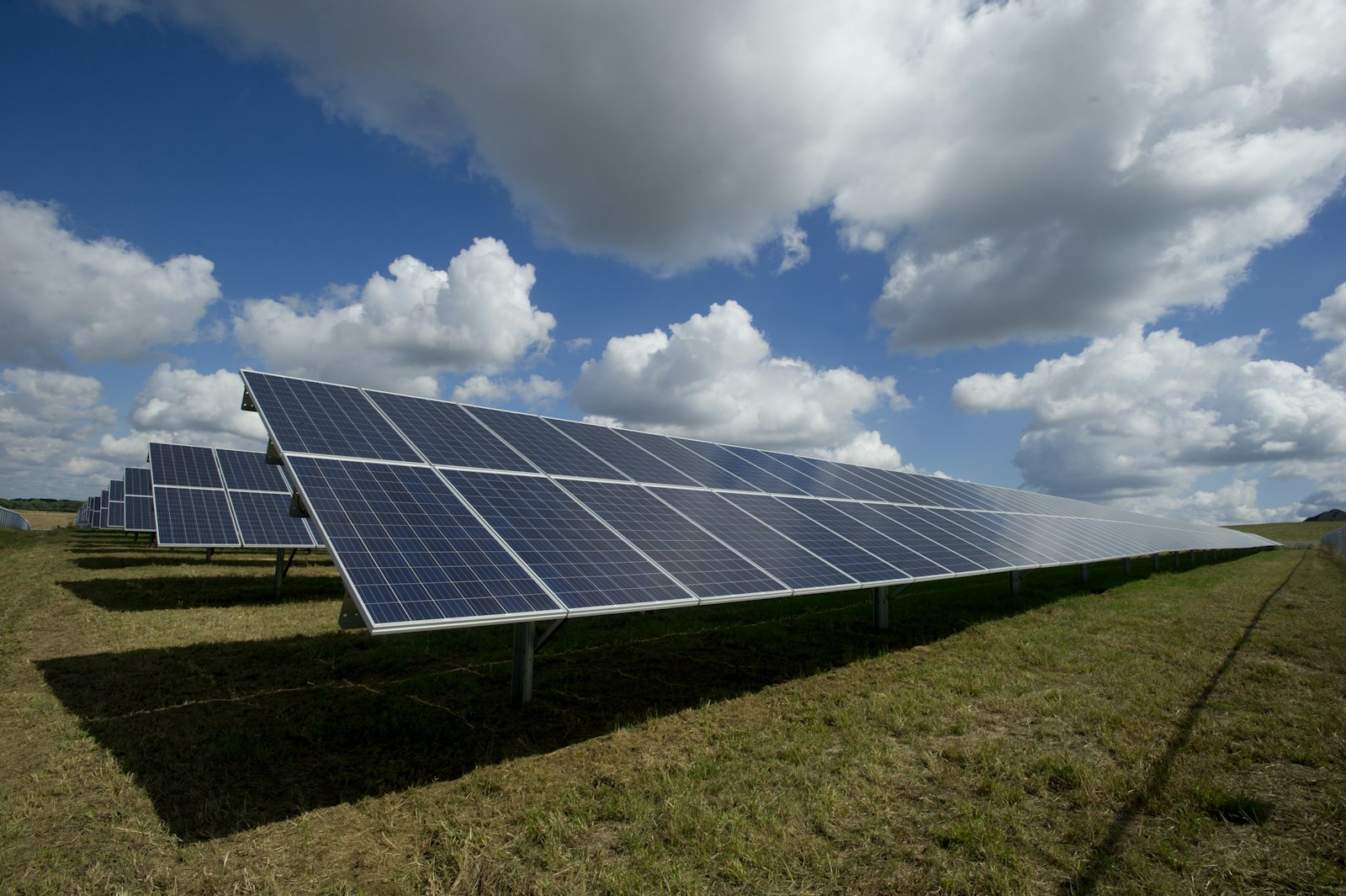
Solar battery storage facility supporting renewable integration in Israel
Technological Innovations Driving Energy Storage in Israel
Technological innovation is at the heart of Israel’s energy storage evolution. Advances in lithium-ion battery chemistry have significantly improved energy density, charge-discharge cycles, and safety profiles. These improvements are critical for sectors where reliability and longevity are paramount, such as medical equipment and military communication systems.
In addition to lithium-ion, research into alternative battery technologies like solid-state batteries and flow batteries is progressing. These technologies promise higher energy capacities and enhanced safety, which are essential for sensitive applications in the telecom and medical sectors.
Furthermore, the deployment of smart energy management systems (EMS) is revolutionizing how stored energy is utilized. EMS platforms use real-time data analytics and artificial intelligence to optimize energy distribution, reduce operational costs, and enhance system resilience. For instance, EMS can prioritize power delivery to critical infrastructure during grid outages, ensuring uninterrupted service.
The integration of cybersecurity measures within energy storage systems is also gaining prominence. Given the increasing digitalization of energy assets, protecting these systems from cyber threats is vital, especially for military and governmental facilities.
Policy and Regulatory Frameworks Supporting Energy Storage Growth
Israel’s government has recognized the strategic importance of energy storage and has implemented policies to foster its development. Incentives such as grants, tax benefits, and streamlined permitting processes encourage private and public sector investments in energy storage projects.
The National Energy Storage Program aims to increase storage capacity nationwide, with specific targets for renewable integration and grid stabilization. This program prioritizes projects that enhance energy security for critical sectors, aligning with national resilience objectives.
Regulatory bodies have also introduced standards to ensure the safety, interoperability, and environmental sustainability of energy storage systems. These standards facilitate the adoption of cutting-edge technologies while maintaining rigorous safety protocols.
Collaboration between government agencies, research institutions, and industry players is another cornerstone of Israel’s energy storage strategy. Public-private partnerships accelerate innovation and deployment, ensuring that solutions meet the unique needs of various sectors.

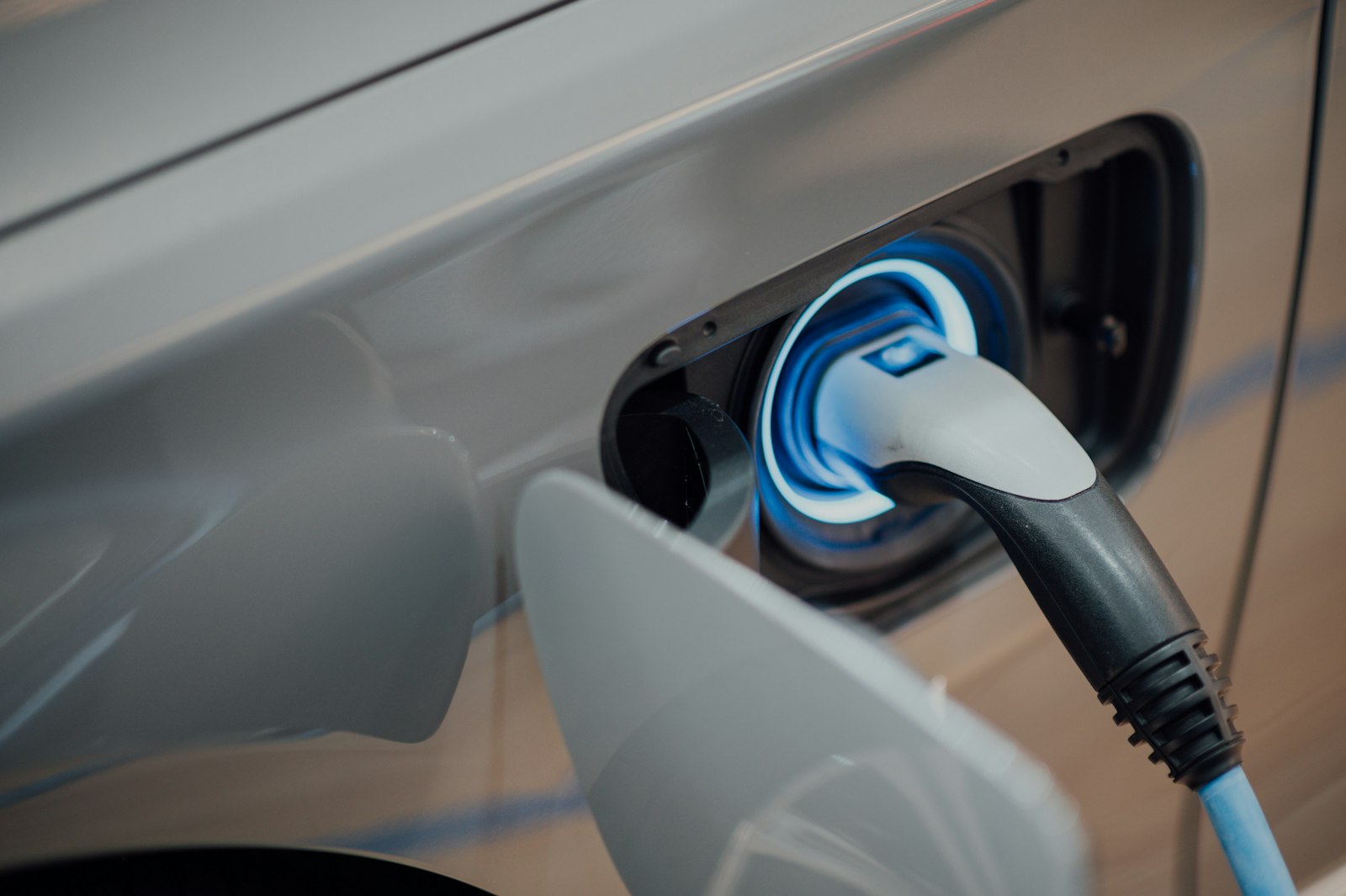
Control room monitoring integrated energy storage systems in Israel
Practical Applications and Sector-Specific Impacts
The practical applications of advanced energy storage in Israel are diverse and sector-specific. In the governmental sector, energy storage enhances the resilience of critical infrastructure, enabling continuous operation during power disruptions caused by natural disasters or security incidents.
Municipalities benefit from energy storage by optimizing energy costs and reducing carbon footprints. For example, energy storage systems paired with solar installations in public buildings and street lighting reduce reliance on the grid and lower operational expenses.
The military sector leverages energy storage for mobile and stationary power solutions, ensuring mission-critical systems remain operational in remote or hostile environments. Portable battery units and microgrid configurations provide tactical advantages by reducing fuel dependency and enhancing stealth capabilities.
In the medical sector, uninterrupted power supply is non-negotiable. Energy storage systems safeguard life-saving equipment and data centers, mitigating risks associated with power outages. Hospitals are increasingly adopting hybrid energy systems combining storage with renewable generation to improve sustainability and reliability.
The telecom sector relies on energy storage to maintain network uptime and support the growing demand for data services. Battery backup systems ensure that communication infrastructure remains functional during grid failures, which is crucial for emergency response and public safety.
Strategic Recommendations for Advancing Energy Storage in Israel
To fully realize the potential of energy storage, several strategic actions are advisable:
Invest in Research and Development: Continued innovation in battery technologies and energy management systems will sustain Israel’s competitive edge. Collaboration with academic institutions and international partners can accelerate breakthroughs.
Expand Pilot Projects: Demonstration projects across different sectors will provide valuable data and build confidence in new technologies. These pilots should focus on scalability and integration with existing infrastructure.
Enhance Regulatory Support: Policymakers should refine regulations to accommodate emerging technologies and business models, such as energy-as-a-service and peer-to-peer energy trading.
Promote Workforce Training: Developing specialized skills in energy storage design, installation, and maintenance is essential to support industry growth and ensure system reliability.
Foster International Collaboration: Engaging with global markets and standards organizations will facilitate technology transfer and open new export opportunities for Israeli energy storage solutions.
By implementing these recommendations, Israel can strengthen its position as a leader in sustainable energy storage, aligning with the goals of companies like L.M. Electrotechnica, which aim to replace outdated systems with modern, green DC-based technologies.
Looking Ahead: The Future of Energy Storage in Israel
The trajectory of energy storage in Israel is promising, with ongoing advancements poised to transform the energy landscape. As the country continues to integrate renewable energy sources and modernize its infrastructure, energy storage will play an increasingly central role in ensuring energy security, operational efficiency, and environmental sustainability.
The sectors of government, municipal services, military, medical, and telecommunications stand to benefit immensely from these developments. By embracing innovative technologies and supportive policies, Israel is setting a benchmark for energy storage solutions that can be replicated globally.
For those interested in following these developments in greater detail, I recommend consulting the energy storage blog israel for up-to-date insights and expert analysis.
In summary, the future of energy storage in Israel is not only about technological progress but also about strategic integration and sustainable growth. This holistic approach will ensure that Israel remains at the forefront of energy innovation, delivering reliable and green power solutions for critical sectors now and in the decades to come.



Comments